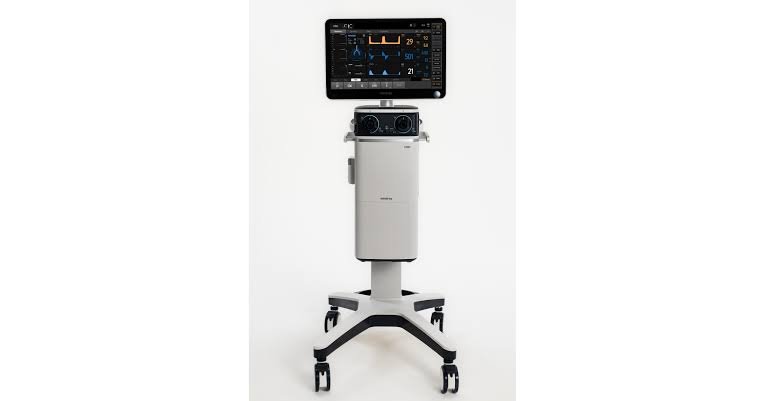

Mindray has introduced the SV70 Non-Invasive Ventilator, expanding its SV-Series as hospitals and respiratory departments look to replace aging non-invasive ventilation equipment while maintaining familiar clinical workflows. The launch adds a new option for healthcare providers seeking to modernize respiratory care without requiring major changes to existing equipment, accessories or staff training.
Key takeaways: Mindray
- The company said the SV70 was developed in response to changing requirements across respiratory departments, particularly following the withdrawal of the Philips V60 from the market.
- Mindray's SV70 combines non-invasive ventilation with integrated high-flow oxygen therapy, giving clinicians the ability to move between respiratory therapies through a single platform.
- Its interface is shared with Mindray's SV900 and SV700 ventilators, creating a common operating experience across the company's SV-Series.
The company said the SV70 was developed in response to changing requirements across respiratory departments, particularly following the withdrawal of the Philips V60 from the market. The transition has placed pressure on hospitals to replace equipment across their fleets while continuing to provide consistent patient care and avoiding unnecessary disruption for clinical teams.
Against this backdrop, respiratory monitoring devices and ventilation systems are becoming increasingly important to hospitals seeking greater continuity between bedside treatment, patient monitoring and transport. Mindray’s SV70 combines non-invasive ventilation with integrated high-flow oxygen therapy, giving clinicians the ability to move between respiratory therapies through a single platform.
The ventilator uses a turbine-driven, single-limb architecture and is designed to support a broad patient population. Its interface is shared with Mindray’s SV900 and SV700 ventilators, creating a common operating experience across the company’s SV-Series. For respiratory departments managing multiple ventilators, this approach could help simplify staff familiarization and reduce the training requirements associated with introducing a new device.
Mindray North America President Wayne Quinn said the company designed the SV70 as a long-term platform rather than a temporary replacement for hospitals transitioning away from existing non-invasive ventilation systems. He said the device combines clinical capabilities, ease of operation and flexibility to address changing patient requirements.
The launch reflects a broader purchasing consideration for hospitals. Replacing a ventilator fleet is not simply an equipment procurement decision. Respiratory departments must also consider clinician familiarity, accessories, patient safety, training requirements, connectivity and compatibility with existing monitoring infrastructure. Devices that can address several of these requirements within established hospital workflows may reduce the operational burden associated with fleet replacement.
SV70 Designed to Reduce Disruption During Fleet Replacement
One of the key features of the SV70 is its compatibility with accessories already used with the Philips V60. This allows hospitals transitioning from the V60 to introduce the Mindray device without necessarily rebuilding their existing accessory infrastructure.
The compatibility is particularly relevant for respiratory departments managing multiple devices simultaneously. A replacement programme can become more complicated when new ventilators require different consumables, interfaces or supporting equipment. Maintaining compatibility with familiar accessories can help clinical teams focus on patient care while limiting changes to established processes.
The SV70 also incorporates high-flow oxygen therapy into the same platform. Clinicians can transition between non-invasive ventilation and high-flow oxygen therapy without moving patients between separate devices. This capability is intended to support a more consistent workflow while allowing respiratory support to be adjusted according to patient needs.
Patient comfort is another part of the device’s design. Mindray said the ventilator provides responsive respiratory support designed to maintain synchronisation between the patient and the device. Such responsiveness is important in non-invasive ventilation, where patient-device interaction can influence the effectiveness and tolerability of respiratory support.
The company has also focused on extending the device beyond the bedside. Connectivity with Mindray’s BeneVision N-Series Patient Monitors allows ventilator information to be viewed remotely alongside broader patient monitoring data. This gives clinicians access to respiratory information without requiring them to remain directly beside the ventilator.
Wireless connectivity further supports the movement of patient information during transport. Data can follow the patient from the bedside through different stages of care, helping maintain visibility when patients are transferred within a hospital.
Connectivity Adds Another Layer to Respiratory Care
The introduction of the SV70 comes as hospitals increasingly evaluate respiratory equipment based on how well it fits into wider clinical infrastructure. Ventilators are no longer viewed solely as standalone machines. Their ability to communicate with monitoring systems and support continuity of information can influence how effectively respiratory departments manage patients across different care settings.
For Mindray, the SV70 also strengthens consistency across its ventilator portfolio. By using an interface shared with the SV900 and SV700, the company is positioning the device as part of a broader respiratory care ecosystem rather than an isolated product. Hospitals already operating other SV-Series ventilators can therefore provide clinicians with a more familiar user experience when adding the SV70.
This common interface may be particularly relevant for health systems with large respiratory departments, where differences between devices can increase training requirements and create variation in day-to-day operation. A more consistent platform can make it easier for staff to move between equipment while maintaining established procedures.
The launch also highlights the importance of replacement cycles in the medical device market. When widely used equipment is withdrawn, healthcare providers must balance the urgency of replacement with the practical realities of procurement, training and implementation. Manufacturers that can provide compatibility with existing infrastructure and support established clinical practices have an opportunity to make that transition more manageable.
Mindray’s expansion of the SV-Series comes at a time when respiratory departments are looking for equipment that can support multiple therapies while remaining straightforward for clinical teams to operate. With non-invasive ventilation, high-flow oxygen therapy, patient monitoring connectivity and wireless data transmission integrated into the SV70, the company is targeting both clinical requirements and the operational challenges associated with equipment replacement.
As hospitals continue to update respiratory care fleets, the ability to combine familiar workflows with broader connectivity will remain an important consideration in purchasing decisions. The SV70 gives Mindray another platform through which to compete for this demand while extending its presence across the non-invasive ventilation segment.
Frequently asked questions about Mindray
What is the latest news on Mindray?
Mindray has introduced the SV70 Non-Invasive Ventilator, expanding its SV-Series as hospitals and respiratory departments look to replace aging non-invasive ventilation equipment while maintaining familiar clinical workflows.
Why does this development matter?
Mindray said the ventilator provides responsive respiratory support designed to maintain synchronisation between the patient and the device.
Explore more Medical Device coverage from MedGadget.