
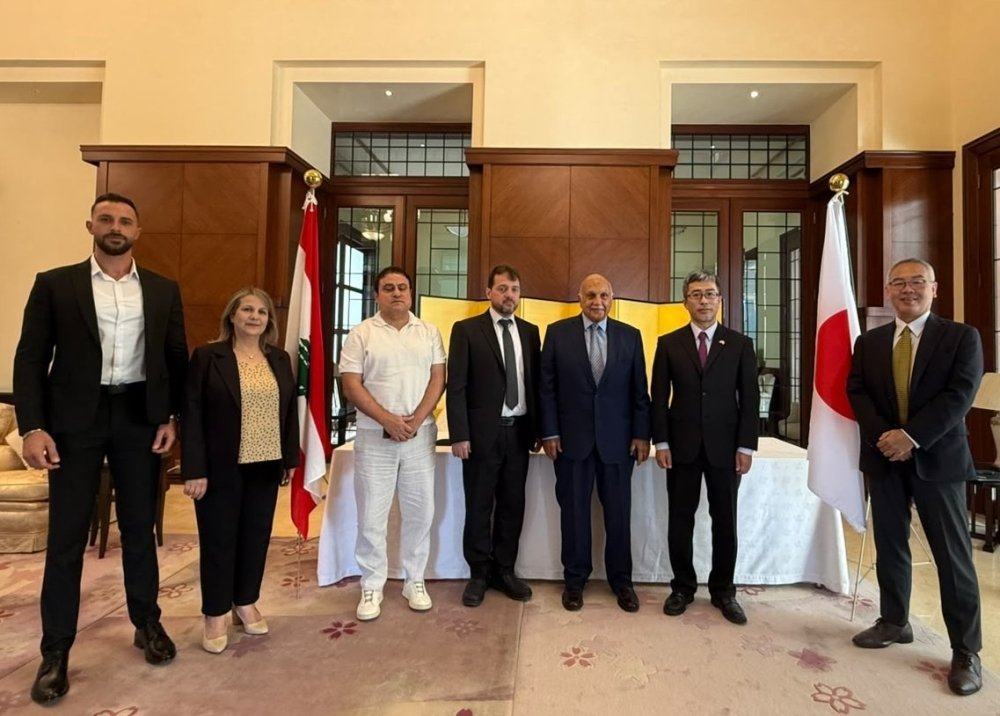

Japan is backing an upgrade to diagnostic capacity at Ain Wazein Medical Village in Lebanon through a grassroots assistance programme that will finance the purchase of a new motorized digital mobile X-ray unit. The project is intended to help the Mount Lebanon hospital restore reliable imaging services and respond to growing demand from patients across the Al Chouf region.
The grant contract was signed by YAMADA Yuichi, Chargé d’Affaires of the Embassy of Japan in Lebanon, and Akram Saab, Vice President of the Board of Trustees of the Health Establishment of the Druze Community. The assistance is being provided through Japan’s Grant Assistance for Grassroots Projects, which supports smaller projects designed to deliver direct benefits to local communities.
For Ain Wazein Medical Village, the investment addresses a long-standing equipment shortage that has affected medical imaging services. The hospital has been relying on aging mobile X-ray equipment and, more recently, an externally rented analog unit that has struggled to meet the facility’s monthly diagnostic requirements. The new digital system is expected to improve access to imaging across several departments while reducing equipment-related delays and operating expenses.
Established in 1978, Ain Wazein Medical Village serves as a regional healthcare centre for communities across Mount Lebanon. The hospital provides free or low-cost services to a population of more than 400,000 people, including vulnerable groups such as Syrian refugees and internally displaced people.
The equipment upgrade comes against the backdrop of Lebanon’s prolonged economic difficulties, which have placed considerable pressure on healthcare providers. Hospitals have had to maintain essential services while dealing with aging infrastructure, higher operating costs and limited financial resources.
Japan’s assistance therefore targets a practical healthcare need rather than simply adding new equipment. By replacing an outdated imaging system, the project is expected to strengthen the hospital’s ability to conduct examinations quickly and reliably in areas where timely imaging can influence diagnosis and treatment decisions.
Aging X-Ray Equipment Creates Pressure on Hospital Services
Ain Wazein Medical Village has depended for more than two decades on two mobile X-ray units purchased in 2003 and 2010. Both machines have exceeded their intended service lives, with declining image quality and frequent mechanical failures becoming increasingly difficult for the hospital to manage.
According to the information provided by the project partners, the equipment experienced around four breakdowns each year. For a hospital serving a large regional population, repeated failures can have consequences beyond repair costs. When imaging equipment is unavailable, patients may have to wait longer for diagnosis or be transferred elsewhere for examinations.
The hospital subsequently rented an analog mobile X-ray unit to maintain services. However, the rented system is also outdated and cannot adequately handle the hospital’s requirement of approximately 420 examinations every month.
The resulting gap has placed additional pressure on both patients and the hospital’s finances. Rental costs add to operating expenses at a time when healthcare institutions in Lebanon are already facing significant financial constraints.
The new motorized digital mobile X-ray unit is expected to provide a more sustainable alternative. Its mobility will allow the equipment to be used in different areas of the hospital, including the emergency department, intensive care unit, operating areas and inpatient wards.
This is particularly relevant for patients who cannot easily be transported to a fixed imaging room. Critically ill patients, people recovering from surgery and those receiving intensive care may require bedside imaging, making mobile X-ray equipment an important part of hospital operations.
Digital imaging can also support faster access to diagnostic information compared with older analog systems. For a regional hospital handling a substantial patient volume, improved equipment availability can help reduce bottlenecks and support more efficient clinical workflows.
The project is consequently expected to benefit both patients and healthcare staff. It should reduce interruptions caused by equipment failures while removing the need for the hospital to continue paying monthly rental costs for an outdated machine.
Japan Expands Grassroots Healthcare Support in Lebanon
The project is also significant because of the population served by Ain Wazein Medical Village. The hospital’s catchment area extends across Mount Lebanon and includes more than 400,000 people. Among those relying on its services are approximately 32,000 Syrian refugees and 17,000 internally displaced people.
For these communities, access to affordable diagnostic services can be particularly important. Financial and geographical barriers may make it difficult for vulnerable patients to seek care at larger facilities, increasing the importance of regional hospitals with functioning diagnostic infrastructure.
At the signing ceremony, YAMADA reaffirmed Japan’s commitment to supporting Lebanon’s healthcare system and populations facing heightened vulnerability. Saab, meanwhile, expressed appreciation for the assistance and highlighted its importance as the hospital works to maintain medical services during the country’s continuing economic crisis.
The funding comes through Japan’s Grant Assistance for Grassroots Human Security Program, commonly known as GGP. The programme is intended to help nongovernmental organisations and local public authorities implement relatively small-scale projects that directly benefit communities while supporting broader socioeconomic development.
Japan has supported hundreds of such initiatives in Lebanon. As of 2022, 308 GGP projects had received support from different organisations since the programme’s activities in the country began in 1996, representing more than $30.4 million in assistance.
The Ain Wazein project demonstrates how targeted investments in hospital infrastructure can address immediate operational challenges. Instead of expanding an entire facility, the assistance focuses on one critical piece of diagnostic equipment that can be used across multiple departments.
For Lebanon’s healthcare system, such investments can have an outsized impact when existing equipment is operating beyond its useful life. Reliable imaging is fundamental to emergency care, surgery, intensive care and routine diagnosis, making equipment availability closely connected to a hospital’s ability to deliver timely treatment.
The new unit will not by itself resolve the wider financial and infrastructure challenges facing Lebanese healthcare providers. However, it should give Ain Wazein Medical Village a more dependable diagnostic resource while reducing the financial burden associated with renting older equipment.