
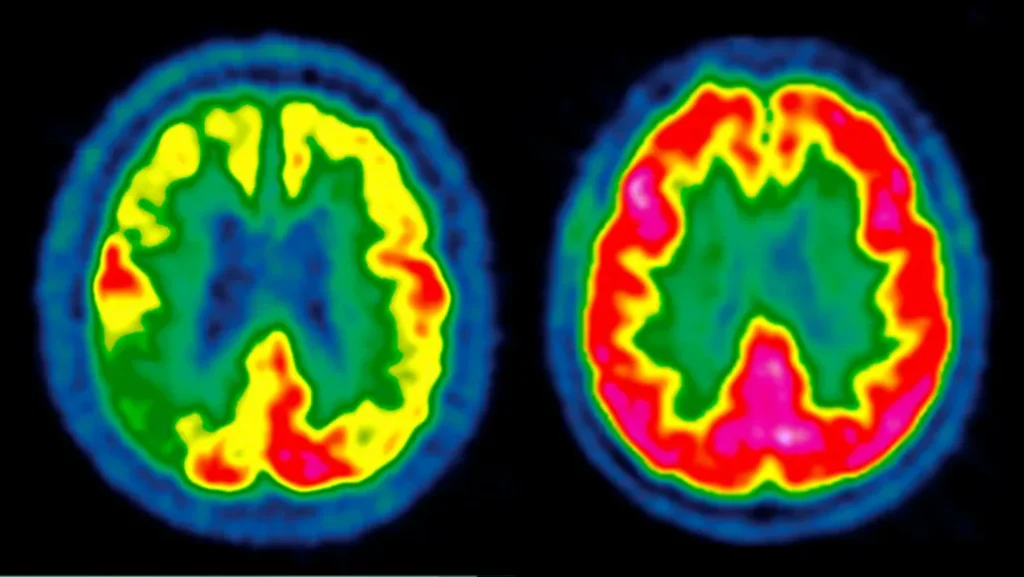

A growing body of scientific evidence is strengthening the case for GLP-1 drugs beyond their established role in diabetes and obesity treatment. A new review published in Molecular and Cellular Neuroscience suggests that glucagon-like peptide-1 (GLP-1) receptor agonists may reduce two of the most significant biological hallmarks associated with Alzheimer’s disease, opening new opportunities for neurological research and future therapeutic development.
The review analyzed findings from multiple laboratory and animal studies and concluded that GLP-1 receptor agonists consistently reduced the accumulation of amyloid-beta plaques and abnormal tau proteins, the defining pathological features of Alzheimer’s disease. Although researchers caution that evidence from human clinical trials remains limited, the findings reinforce growing interest in repurposing metabolic therapies for neurodegenerative disorders.
The study also reflects an emerging trend across the pharmaceutical industry, where medicines initially developed for one condition are increasingly being investigated for entirely different diseases. The success of GLP-1 therapies in diabetes, obesity, cardiovascular health, and kidney disease has encouraged researchers to explore their broader biological effects, including their influence on brain health. As scientists continue investigating links between metabolic disorders and cognitive decline, areas such as diabetes management and neurological disease research are increasingly intersecting through a better understanding of systemic metabolic health and chronic disease pathways.
Industry experts believe this expanding research could reshape future treatment strategies by focusing on common biological mechanisms that contribute to multiple chronic conditions rather than addressing each disease independently.
Growing Evidence Links Metabolic Health With Brain Function
Alzheimer’s disease remains the leading cause of dementia worldwide and continues to represent one of the greatest unmet medical needs in healthcare. The progressive neurological disorder gradually damages memory, thinking ability, and cognitive function, affecting millions of patients globally.
At the biological level, Alzheimer’s disease is characterized by two major abnormalities inside the brain. The first involves amyloid-beta proteins that accumulate outside nerve cells, forming plaques that interfere with communication between neurons and trigger inflammatory responses. The second involves tau proteins, which normally provide structural support inside brain cells but become chemically altered and form neurofibrillary tangles that disrupt essential cellular functions.
Together, these protein accumulations contribute to progressive neuronal damage and cognitive decline.
Researchers have increasingly focused on understanding why these abnormal proteins develop and whether existing medicines can interrupt the process before irreversible brain damage occurs.
One area receiving growing attention is the relationship between type 2 diabetes and Alzheimer’s disease.
Multiple epidemiological studies have demonstrated that individuals living with diabetes face a significantly higher risk of developing dementia later in life. Scientists believe this association is driven by insulin resistance, chronic inflammation, oxidative stress, and impaired cellular signaling, all of which may contribute to abnormal protein accumulation within the brain.
Insulin receptors are present not only throughout the body but also in regions of the brain responsible for learning and memory. When insulin signaling becomes impaired, several molecular pathways involved in amyloid production and tau phosphorylation become more active, potentially accelerating Alzheimer’s pathology.
These biological connections have encouraged researchers to investigate whether medications that improve metabolic function could also offer protective neurological effects.
GLP-1 receptor agonists have emerged as leading candidates because they influence insulin production while also interacting with receptors located in key brain regions.
Review Supports Further Clinical Investigation
The newly published review evaluated dozens of preclinical studies examining the effects of GLP-1 receptor agonists such as semaglutide and liraglutide on Alzheimer’s disease models.
Across the available evidence, researchers observed consistent reductions in amyloid-beta accumulation as well as decreased formation of hyperphosphorylated tau proteins. Several studies also reported improvements in neuronal survival, reduced neuroinflammation, and better cognitive performance in laboratory animals.
Although these findings remain encouraging, researchers emphasize that laboratory results cannot automatically be translated into clinical benefits for patients.
Human studies evaluating GLP-1 therapies specifically for Alzheimer’s disease remain relatively limited, and larger randomized clinical trials will be necessary to determine whether the biological improvements observed in experimental models ultimately translate into meaningful reductions in cognitive decline.
Nevertheless, the review provides further support for continued investment in this research area.
The pharmaceutical industry has already demonstrated significant interest in expanding the clinical applications of GLP-1 medicines. Originally developed for type 2 diabetes, these therapies have rapidly gained approval for obesity management while ongoing research explores their potential roles in cardiovascular disease, chronic kidney disease, fatty liver disease, and several neurological disorders.
This broad development pipeline reflects increasing recognition that metabolic health influences multiple organ systems, including the brain.
For pharmaceutical companies, repurposing approved therapies may also accelerate drug development timelines compared with creating entirely new molecules, particularly when long-term safety profiles have already been established.
Neurologists note that Alzheimer’s disease remains exceptionally difficult to treat once significant brain damage has occurred. Consequently, therapies capable of slowing disease progression during its earliest stages may offer the greatest opportunity to improve long-term patient outcomes.
Future clinical studies will likely focus on identifying which patient populations benefit most, determining optimal treatment timing, and evaluating whether GLP-1 therapies can delay disease onset among individuals at elevated risk.
While the current review does not establish GLP-1 receptor agonists as approved treatments for Alzheimer’s disease, it significantly strengthens the scientific rationale for continued clinical investigation.
As researchers continue uncovering connections between metabolic regulation and neurological health, GLP-1 therapies are emerging as one of the most closely watched areas in neurodegenerative disease research. If ongoing clinical trials confirm the encouraging findings observed in laboratory studies, these medicines could eventually become part of a broader strategy aimed at preventing or slowing Alzheimer’s disease before irreversible cognitive decline occurs.