
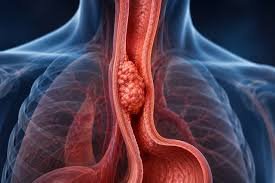

Japan has approved the commercial use of a virus-based treatment for esophageal cancer, opening a new chapter for targeted viral approaches in oncology. Telomelysin, developed by Tokyo-based Oncolys BioPharma Inc., received approval from Japan’s health ministry in June and has now entered the market for patients with specific forms of esophageal cancer.
The treatment was developed from research originating at Okayama University and uses a genetically modified adenovirus to attack cancer cells. The company describes the launch as the first practical application of viral therapy for esophageal cancer, giving physicians another treatment option for patients who cannot undergo standard approaches involving surgery or combined chemotherapy and radiation.
The development adds another approach to the cancer therapeutics landscape, where researchers and drug developers are pursuing treatments that can act more selectively against malignant cells. Telomelysin uses a modified virus designed to replicate in cancer cells where telomerase is active, with the resulting viral activity damaging and destroying those cells. The treatment is administered alongside radiation and is intended for patients who have limited options for definitive treatment.
Telomelysin Uses Modified Virus to Target Esophageal Tumors
Telomelysin is based on an adenovirus, a family of viruses commonly associated with respiratory infections such as the common cold. Researchers genetically modified the virus to take advantage of a characteristic found in many cancer cells: elevated activity of the enzyme telomerase.
Telomerase plays an important role in maintaining the ends of chromosomes and is normally tightly regulated in healthy adult cells. Many cancer cells, however, maintain high telomerase activity as they continue to divide. Telomelysin has been designed to exploit this difference.
After the modified virus is delivered into the tumor, it can multiply in cancer cells where the relevant biological conditions are present. The replication process damages the malignant cells and can trigger their destruction. The approach is different from conventional systemic cancer drugs because the treatment is delivered directly to the tumor rather than being administered throughout the body.
For eligible patients, Telomelysin is used together with radiation therapy. The drug is administered through an endoscope inserted through the mouth, allowing physicians to inject the treatment directly into the esophageal tumor. The procedure is repeated three times at two-week intervals.
This method may reduce the physical burden associated with treatment for patients who cannot undergo major surgery. Esophageal cancer can require extensive procedures when surgery is considered appropriate, while some patients may also be unable to tolerate intensive chemotherapy combined with radiation.
The treatment is specifically intended for patients who cannot receive chemotherapy and radiation together or undergo definitive surgery to remove the tumor. This makes its initial market role more focused than that of a broad first-line cancer medicine.
Clinical trial results submitted ahead of the Japanese approval provide an early indication of the treatment’s potential. According to information from the developer, localized cancer had disappeared in approximately half of treated patients 18 months after administration.
As with other cancer treatments, the therapy also carries potential side effects. Patients may experience fever, while a temporary reduction in lymphocytes, a type of white blood cell involved in immune function, has also been reported.
The clinical results will be important as physicians evaluate where the treatment fits within existing care pathways. The ability to treat tumors locally, combined with radiation, could make the approach particularly relevant for patients for whom more intensive treatment is not feasible.
Japan’s Approval Opens Commercial Path for Viral Cancer Treatment
The launch is significant not only because of the individual drug but also because it demonstrates a route from academic research to commercial cancer treatment. The technology traces its origins to research conducted at Okayama University before being developed by Oncolys BioPharma.
Bringing viral therapy into routine clinical use has historically involved significant scientific and regulatory challenges. Developers must demonstrate that a modified virus can behave predictably, reach its intended target and provide a meaningful therapeutic benefit while maintaining an acceptable safety profile.
Telomelysin’s approval in Japan provides an important commercial validation for the technology. The company is now moving from clinical development toward practical use in hospitals, where physicians will determine how the therapy can best be incorporated into treatment plans for eligible patients.
The launch also highlights the changing nature of cancer treatment. Traditional oncology has relied heavily on surgery, chemotherapy and radiation, but newer approaches increasingly attempt to exploit specific biological characteristics of tumors. Viral therapies represent one part of that broader shift.
Their potential appeal lies in their ability to use biological mechanisms to attack malignant cells. In Telomelysin’s case, the treatment is designed around telomerase activity, allowing the modified adenovirus to replicate preferentially in cells displaying a characteristic associated with cancer.
The approach does not eliminate the need for radiation or other established forms of care. Instead, the Japanese approval places Telomelysin alongside existing treatment methods for a defined group of patients. Its role will depend on clinical outcomes, physician experience and how hospitals assess the benefits and risks for individual cases.
The commercial launch could also draw greater attention to viral oncology research. If the treatment demonstrates sustained benefits in routine clinical practice, it could encourage further investment in therapies that use modified viruses against other cancers.
For Japan’s healthcare system, the availability of a locally developed viral therapy provides another option in a difficult-to-treat cancer area. Esophageal cancer can require complex treatment, and patients who are unable to undergo surgery or intensive combined therapy face particularly difficult choices.
Telomelysin’s introduction does not represent a universal solution for esophageal cancer. Its approved use is targeted to patients who meet specific treatment criteria, and continued monitoring will be necessary to understand its long-term effectiveness and safety.
Nevertheless, the drug’s arrival marks a notable development in oncology. A treatment that began as university research has progressed through clinical testing, regulatory review and commercial launch, giving patients access to a new form of therapy.
As Japan begins using Telomelysin in clinical practice, its real-world performance will determine whether viral therapy can establish a broader role in esophageal cancer care. For the cancer therapeutics industry, the launch provides a concrete example of how engineered viruses can move from experimental research into an approved treatment and potentially open new directions for cancer drug development.