
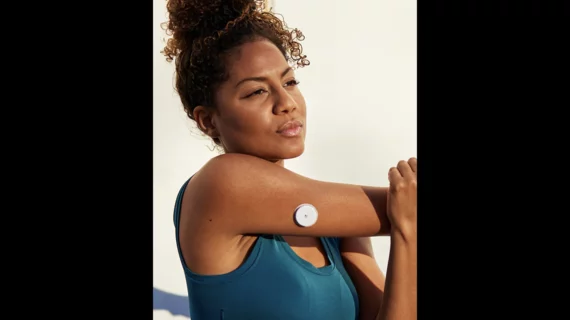

Abbott has entered a multi-year collaboration with Google Health to bring continuous glucose insights into a broader digital health experience, combining data from Abbott’s Lingo biowearable with Google’s consumer health technology and artificial intelligence capabilities.
The partnership is aimed at giving consumers a more complete view of how everyday factors such as food, physical activity, sleep and stress affect metabolic health. Under the collaboration, Lingo users will eventually be able to view glucose patterns alongside other health and wellness information through the Google Health app, creating a single view of data that is typically spread across multiple devices and platforms.
The agreement also highlights the expanding role of AI in healthcare, particularly in turning continuous health data into practical recommendations. Google Health plans to use glucose information from Lingo to support its Health Coach, while Abbott and Google will conduct a large real-world study to examine relationships between glucose, activity, sleep, wellbeing and other measures of health.
The companies believe the combination could move consumer health technology beyond simply displaying measurements. Instead, the focus will be on helping people understand why their health indicators change and how daily decisions may influence those changes over time.
Glucose Data Moves Into Broader Digital Health Ecosystem
Abbott’s Lingo is an over-the-counter continuous glucose monitor designed for adults aged 18 and older who are not using insulin. Unlike traditional glucose monitoring that is primarily associated with diabetes management, Lingo is positioned as a consumer health product that can help people understand their body’s response to lifestyle factors.
The device continuously tracks glucose and presents users with information about changes associated with meals, movement, sleep and stress. The objective is to help users identify patterns and make incremental changes to their routines.
The new collaboration with Google Health could broaden the usefulness of that information by placing glucose trends alongside other personal health metrics. Rather than looking at glucose in isolation, users could gain additional context around how different aspects of their daily routine interact.
Google Health’s Health Coach is expected to use these insights to provide personalised recommendations related to nutrition, physical activity, sleep and recovery. The company said the guidance will be designed to fit into users’ everyday routines rather than requiring them to interpret large amounts of health data themselves.
The strategy reflects a growing commercial interest in metabolic health as companies look beyond disease treatment toward prevention and long-term health management. Abbott and Google are targeting consumers who may not have a diagnosed condition but want greater visibility into how their lifestyle affects their health.
The partnership also gives both companies an opportunity to learn from data generated outside traditional clinical environments. Abbott said the planned research programme will integrate continuous glucose readings with wearable data, laboratory measurements and survey information.
The scale of the study could provide a significant data set for understanding how metabolic indicators relate to behaviour and wellbeing in everyday life. Findings are expected to inform future versions of Lingo as well as the health guidance delivered through Google’s platform.
Research and Personalised Guidance Drive Next Phase
The collaboration comes as metabolic health concerns continue to grow in the United States and other markets. Abbott cited estimates that more than 115 million American adults have prediabetes, with a large proportion unaware that they have the condition.
Poor metabolic health is also associated with a range of longer-term health risks, including type 2 diabetes and cardiovascular disease. For companies operating in consumer health, this creates an opportunity to encourage earlier attention to lifestyle factors before they develop into more serious health problems.
Abbott’s Lingo and Google’s digital platform approach the opportunity from different positions. Abbott brings expertise in continuous glucose monitoring and wearable biosensing, while Google contributes consumer technology, data integration and AI capabilities. Their collaboration therefore represents an attempt to connect specialised physiological data with a broader digital health environment.
For Abbott, the partnership could also strengthen Lingo’s position in the rapidly developing consumer wellness market. Continuous glucose monitoring has traditionally been associated with people living with diabetes, but companies are increasingly exploring how glucose data can be used by a wider population interested in nutrition, fitness and metabolic wellbeing.
For Google, integrating glucose data provides another layer of information for its broader health ecosystem. The company is seeking to make health information more useful by combining different sources of personal data and providing contextual guidance.
The companies have not disclosed the financial terms of the agreement. Lingo-related health integrations are expected to begin rolling out through the Google Health app later in 2026.
The partnership also illustrates how the consumer health sector is evolving from individual devices toward connected ecosystems. Wearables can collect increasingly detailed information, but the commercial value increasingly depends on whether users can understand that information and act on it.
That distinction will be important as Abbott and Google develop the collaboration. Continuous monitoring can generate a large volume of personal health data, but turning those measurements into meaningful and reliable guidance remains a key challenge.
The companies’ planned research programme could therefore be as important as the technology integration itself. By studying glucose alongside activity, sleep and wellbeing in real-world settings, Abbott and Google aim to build a stronger evidence base for future products and digital health services.
If successful, the collaboration could establish a model in which biowearables provide continuous physiological information while digital platforms place that information into a wider personal health context. For consumers, the intended outcome is a simpler understanding of how everyday behaviour affects metabolic health. For the companies, it represents a strategic push to establish a larger role in the emerging market for personalised, data-driven health management.