
CDSCO’s integrated digital ecosystem aims to modernise approvals, compliance and pharmaceutical governance
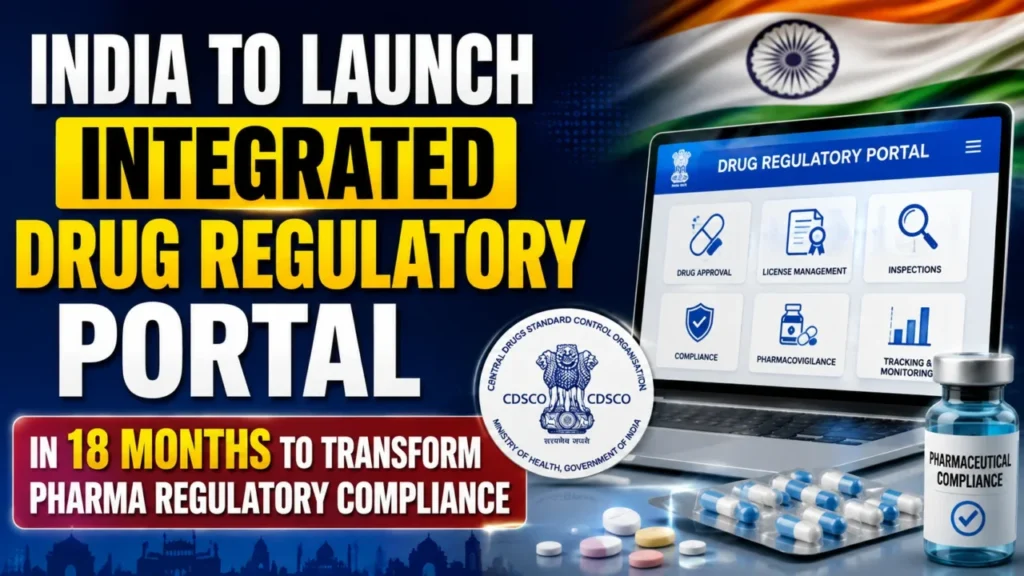
India is preparing to introduce the first phase of its end-to-end digital drug regulatory platform within the next 18 months, marking a significant transformation in the country’s pharmaceutical regulatory framework. The initiative, being developed by the Central Drugs Standard Control Organisation (CDSCO), aims to create a unified digital ecosystem that connects regulators, pharmaceutical companies, manufacturers, and other stakeholders across the entire medicine development and approval lifecycle.
The announcement was made by Drugs Controller General of India (DCGI) Dr. Rajeev Singh Raghuvanshi during the inaugural Global Drug Regulatory Conclave (GDRC) 2026. The platform is expected to integrate multiple regulatory activities, including research oversight, clinical trial management, manufacturing approvals, distribution monitoring, and post-market surveillance, into a single technology-enabled system.
The move comes as India’s pharmaceutical sector continues evolving from a major supplier of affordable generic medicines into a growing centre for advanced healthcare innovation. The country is increasingly expanding capabilities in areas such as biologics, biosimilars, gene therapies, precision medicine, artificial intelligence-supported drug development, and digital therapeutics.
The upcoming digital regulatory platform is designed to improve transparency, reduce administrative delays, and strengthen coordination between central and state regulatory authorities. By bringing regulatory processes into one connected framework, the initiative aims to improve efficiency while maintaining strict standards for safety, quality, and efficacy.
Modern regulatory infrastructure has become increasingly important as pharmaceutical innovation accelerates. Advanced drug screening processes, clinical evaluations, and quality assessments require faster data exchange and stronger collaboration between industry and regulators. The new platform is expected to support these requirements by enabling better tracking, verification, and management of regulatory activities.
Union Health and Family Welfare Minister J.P. Nadda, while addressing the conclave virtually, said India is working towards developing a future-ready regulatory system that supports healthcare innovation while protecting patient safety. He highlighted that digital governance, risk-based monitoring, improved inspection systems, and stronger surveillance mechanisms are helping strengthen confidence in India’s pharmaceutical ecosystem.
Dr. Raghuvanshi stated that more than 99% of CDSCO’s regulatory processes have already been digitised, significantly improving transparency and reducing processing timelines. The next phase will focus on expanding digital capabilities through advanced technology tools, including the introduction of artificial intelligence-based systems across regulatory functions.
Digital transformation strengthens India’s position as a global pharmaceutical partner
Alongside the digital regulatory platform, CDSCO is implementing several initiatives aimed at improving global trust in India’s pharmaceutical approval and compliance systems. One major development includes the introduction of QR-code-based digital authentication for Good Manufacturing Practice (GMP) certificates and Certificates of Pharmaceutical Product (COPP).
The authentication system will allow international regulators to verify certification documents quickly, improving confidence in Indian pharmaceutical exports. This step is expected to simplify regulatory communication with overseas markets and strengthen India’s position as a reliable supplier of medicines worldwide.
CDSCO has also introduced a fully digital export No Objection Certificate (NOC) system to streamline export-related approvals. The organisation is further adopting globally aligned regulatory reliance mechanisms and faster review pathways for innovative healthcare products.
According to Dr. Raghuvanshi, approximately 25% to 30% of clinical trials are currently being considered for waiver eligibility for selected innovative products. These accelerated pathways are intended to encourage innovation while ensuring regulatory evaluation remains scientifically rigorous.
The government is also focusing on supporting emerging healthcare companies and startups. Through initiatives such as MedTech Mitra, more than 800 startups have already received assistance in understanding regulatory requirements and navigating approval processes. Similar support mechanisms are expected to be expanded for biologics and other advanced healthcare technologies.
Industry leaders at the Global Drug Regulatory Conclave highlighted the importance of regulatory cooperation, international harmonisation, and technology adoption in shaping the future of healthcare innovation. Mohit Yadav, Joint Secretary at the Department of Commerce, emphasized that predictable and transparent regulatory pathways can improve patient access while maintaining strong quality standards.
Pharmexcil Chairman Namit Joshi noted that India’s reputation as the “pharmacy of the world” has been built on manufacturing capabilities and global supply networks. He added that the next stage of growth will require India to become a stronger regulatory partner through clearer pathways, internationally aligned standards, and consistent compliance practices.
The Global Drug Regulatory Conclave 2026 brought together government officials, regulators, pharmaceutical companies, researchers, and international organisations to discuss the future of regulatory science, digital transformation, and global healthcare collaboration.
The launch of India’s digital drug regulatory platform represents a major step towards creating a more connected and efficient pharmaceutical ecosystem. By combining digital governance, improved regulatory oversight, and technology-driven processes, India aims to accelerate access to innovative medicines while strengthening its role in the global healthcare landscape.
As pharmaceutical development becomes increasingly complex, a modern regulatory framework will play a critical role in balancing innovation with patient safety. The CDSCO initiative signals India’s commitment to building a transparent, efficient, and internationally trusted regulatory system for the future.