
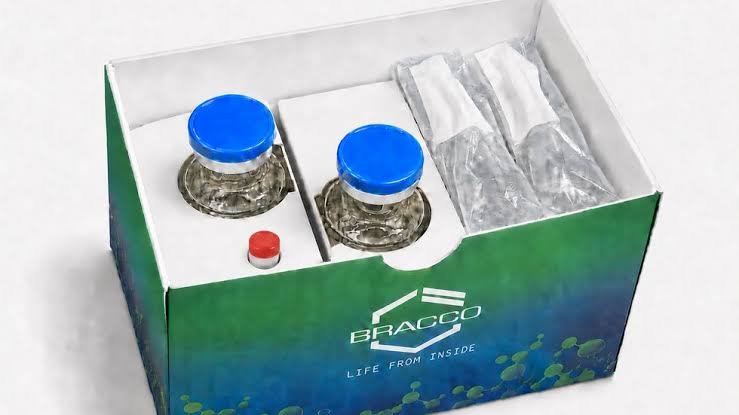

Bracco Imaging is expanding its presence in cell therapy manufacturing with the launch of the BubbleGen CD3+ T Cell Selection Kit, adding a new product to its microbubble-based cell selection platform. The company said the new kit is designed to simplify the isolation of CD3+ T cells and support scalable manufacturing processes for advanced cell therapies.
The launch builds on Bracco’s development of BubbleGen as an alternative to conventional magnetic bead-based cell selection. The company is targeting developers and manufacturers seeking cell processing methods that can be integrated into automated and closed production environments, particularly as demand grows for more efficient manufacturing approaches for therapies such as CAR-T.
The development also adds another technology option to the broader field of cell therapy technologies, where improvements in cell processing and manufacturing are becoming increasingly important to the expansion of advanced therapies. Although BubbleGen is focused on manufacturing rather than wearable applications, its bead-free approach addresses a key production step that can influence the scalability, consistency and cost of cell therapy manufacturing.
Bracco Targets Cell Selection Challenges With Microbubble Technology
Cell selection plays an important role in the production of many cell therapies because manufacturers need to isolate specific cell populations before they can be processed into a therapeutic product. Conventional workflows commonly rely on magnetic beads to capture and separate targeted cells, but these processes can introduce additional equipment requirements and processing steps.
Bracco’s BubbleGen platform takes a different approach by using gas-core, lipid-shell microbubbles. The microbubbles are equipped with antibodies that allow them to selectively bind to specific cell populations. Once the desired cells have been separated, the bubbles dissipate, leaving the selected cells without the need for a conventional magnetic separation system.
For cell therapy manufacturers, removing magnetic components from the workflow could have practical advantages. Bracco said the technology eliminates magnetic iron residuals, which can place stress on sensitive cells and potentially create complications during subsequent manufacturing steps.
This consideration is particularly relevant for processes such as electroporation, where cells are exposed to an electrical field to introduce genetic material. Maintaining cell quality through each stage of manufacturing is important because damage or unnecessary cell loss can affect the efficiency of the overall production process.
The BubbleGen platform also uses a column-free design. Traditional filter or column-based separation methods can contribute to cell losses and trapping during processing. By avoiding these components, Bracco aims to provide a simpler route for separating target cell populations while reducing potential sources of material loss.
Another consideration is equipment requirements. Magnetic bead-based processes generally require specialized magnetic hardware. BubbleGen is designed to operate without dedicated magnetic separation equipment, which could make integration easier for facilities developing automated or closed cell therapy manufacturing workflows.
The newly launched BubbleGen CD3+ T Cell Selection Kit is positioned as a ready-to-use solution for isolating CD3+ T cells. These cells are particularly relevant to CAR-T manufacturing, in which a patient’s T cells are collected and subsequently modified and expanded to create a personalized cancer treatment.
Bracco said the technology can support a highly scalable and cost-effective approach to CAR-T manufacturing. The company has also described BubbleGen as an open, integration-ready platform, allowing it to be incorporated into broader manufacturing systems rather than functioning as a standalone process.
The company previously opened an early access programme for cell therapy developers in May. The programme was designed to give researchers an opportunity to evaluate the technology, develop new workflows and provide feedback that could influence further development of the platform.
BubbleGen Expansion Reflects Growing Focus on Cell Therapy Manufacturing
The introduction of the CD3+ T Cell Selection Kit is the first of several planned additions to Bracco’s BubbleGen portfolio. The expansion indicates that the company sees potential for microbubble-based selection beyond a single cell type or manufacturing application.
For the cell therapy sector, the manufacturing process remains one of the key factors influencing how quickly advanced treatments can move from clinical development toward broader availability. Therapies such as CAR-T have demonstrated significant clinical potential, but their production can involve complex, highly controlled workflows.
Manufacturers are therefore looking for technologies that can improve processing efficiency without compromising cell quality. Equipment compatibility, automation, reduced material handling and the ability to operate within closed systems are becoming increasingly important considerations as the industry works to increase production capacity.
BubbleGen’s bead-free approach is positioned around these requirements. Its compatibility with automated and closed manufacturing systems could be particularly relevant for facilities looking to standardize cell processing and reduce manual intervention.
The commercial opportunity also extends beyond established cell therapy manufacturers. Developers entering the field may benefit from manufacturing platforms that can be integrated into existing infrastructure without requiring specialized magnetic equipment. This could potentially lower some of the barriers associated with establishing cell selection capabilities.
Bracco expects BubbleGen technology to become available for clinical use in 2027. Until then, developer testing and workflow optimization will remain important in determining how effectively the platform performs across different manufacturing environments.
The company is also expected to continue expanding the BubbleGen family, potentially broadening the range of cell populations that can be selected through the microbubble approach. Such expansion could increase the platform’s relevance across different cell therapy workflows and give manufacturers additional options for process development.
From an industry perspective, the launch reflects a broader shift toward manufacturing technologies designed around scalability and integration. As cell therapies progress into more commercial applications, production technologies will increasingly need to support consistent output while controlling costs and minimizing unnecessary processing complexity.
Bracco’s strategy places cell selection at the center of that effort. Rather than replacing an entire cell therapy manufacturing process, BubbleGen addresses one specific stage and seeks to make it more compatible with modern production systems.
The immediate focus will be on CD3+ T-cell selection, but the planned expansion of the platform could determine its longer-term commercial potential. If developers can demonstrate reliable cell recovery, quality and workflow integration, microbubble-based selection could become an additional tool for manufacturers seeking alternatives to magnetic bead technology.
With the BubbleGen CD3+ T Cell Selection Kit now expanding the portfolio, Bracco is positioning its microbubble technology for a growing cell therapy manufacturing market where process efficiency, automation and scalability are becoming increasingly important to the industry’s next phase of development.